

Starting Off Fresh
Some notes on seafood and freshness, a new year, and a few upcoming events

Twelve days in, I think this year still qualifies as new—slightly belated Happy New Year wishes to you all.
A few calendar notes to begin with:
Next month I’ll make the first of my two annual trips to teach at the Sun Valley Culinary Institute. Each visit one of my classes focuses on seafood, this time tapping citrus fruits for some vivid color and bright flavor, perfect for this season. If you might be in the Sun Valley area on February 20, here’s a link to class information.
For another trip closer to home, I’m heading up to Bellingham next month as well. I’ll be at the outstanding Village Books in Fairhaven for a talk and signing with my new Essential Shellfish Collection box set on February 14. More information and registration here. Details for a tasting event after are still being finalized, more to come on that.
And a quick reminder about an online class this week featuring a few shellfish recipes, January 14, with Milk Street Kitchen. Using the code SHRIMP15 at check-out will give you a 15% discount on that class. Class info and registration here.
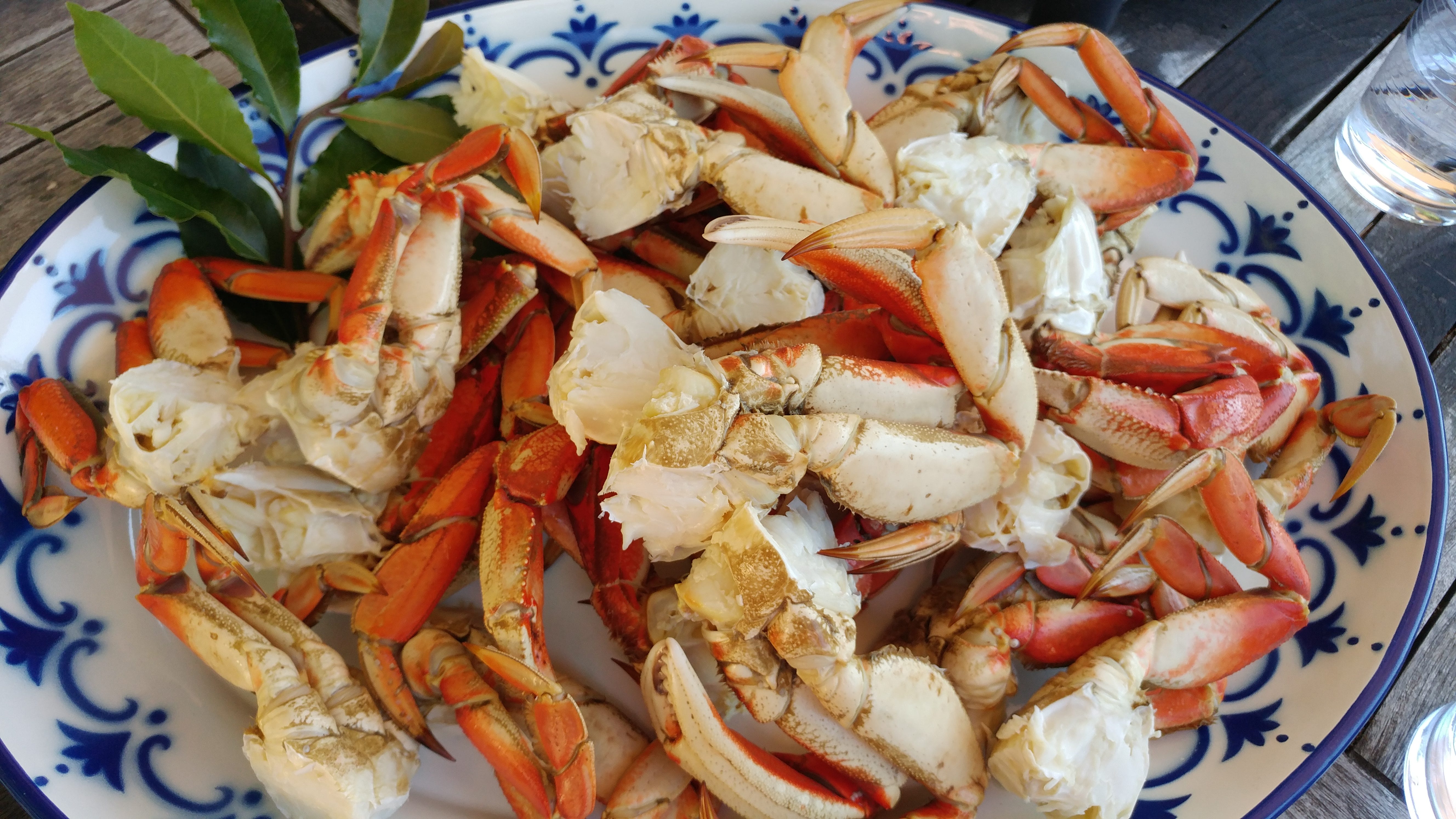
As I think about this new year and what lies ahead for 2026, I’ve decided on a couple of things related to this newsletter:
First, I plan to spend a little more time in the kitchen. Look for more tips for buying and handling seafood, focus on specific seafoods and how to use them, and insights about various cooking techniques. I’ve shared recipes in most of these newsletters, not sure how much they’re getting used (if you cook one, I’d love to hear how you liked it!). I’ll still share recipes, but I’d love, too, to encourage the kind of off-the-cuff cooking I do most nights of the week. I love the freedom of just walking into the kitchen and whipping something up, especially starting with delicious, versatile seafood. My goal is more ingredient and technique building-blocks to make casual cooking easy. If there’s anything in particular about buying or cooking seafood that you’d love to learn more about, please let me know down in the comments.
Second, I’ve made the tough decision that I need to scale back on frequency of this newsletter. And my other one, Long Live the Recipe Box, too, that I launched just over a year ago. Maintaining the pace of two of each per month is proving difficult, especially with the reality of time needed for other projects this year. This is actually a return to my initial rhythm when I started this newsletter over three years ago, sending out one per month. My goal is to still provide plenty of what I promised from the beginning: stories, insights, and inspirations to help make the most of enjoying seafood—whether you’re a longtime fan or still getting comfortable with it.


On Freshness
It’s only natural that starting with fresh seafood is a key first step to having a great experience cooking and eating seafood. The trick is that, as I wrote in my latest book, “‘fresh’ is a squishy concept.”
Does it mean:
“never frozen”?
“currently not in a frozen state (i.e. thawed, previously frozen)”?
“out of the water for less than a day (or whatever timeframe chosen)”?
It’s hard to know, at least without clarification from whoever’s using the term.
Ultimately, quality is the overriding goal. Markers of quality vary a bit depending on particular types of seafood; that’s among things I’ll cover in more detail with species-specific discussions to come. Among general guidelines is avoiding seafood that smells of ammonia, sour or funky. It’s frustrating if you don’t find that out until you’re home with your purchase; if that ever happens, be sure to let the store know. For pre-packaged seafood, I’m sure to buy within a day or two of the pack date on the label.
It’s also good to avoid seafood that looks dried out, with patches of freezer burn perhaps. Or the flip side: it’s not ideal to see pieces of seafood in the case that were once perched on a bed of ice, now partially soaking in a watery bath of melted ice.
When it comes to quality, frozen will be preferable to “fresh” seafood that is past its prime. If you see something in the case that says it was previously frozen, ask at the counter if some of that seafood is available still frozen. More on frozen seafood in this newsletter from a few years ago.
I’m a big believer in the power of asking questions. Not only is it a chance for you to find out something you’re curious about, the act of asking the question helps the store know what their customers care about. And it’s a bit of a litmus test, too. If your question at the seafood counter is met with a shrug—no effort to get the answer for you, if they don’t know—that’s a clue the store may not be your best source for seafood. Or head to the freezer section to grab something there. (Repeating myself a bit from this recent post about shopping for seafood.)
Instead of asking “what’s fresh,” consider some questions like “what would you pick for dinner tonight?” or “what’s something local/seasonal you just got in” or “what would you recommend for [fill in the blank: quick dinner tonight, dinner party tomorrow, etc.]” Being specific about what you plan to do with it—the preparation, or occasion—should help them guide you to a good choice. And asking about seafoods that reflect your values, such as for sustainability or supporting smaller/regional fisheries, helps home in on choices you can feel best about.


A Question of Timing
It was a treat to talk with someone this past week who let me know she subscribes to this newsletter! Always great to chat with a reader and get some feedback about what they might want to see in future issues. Her question had to do with how long seafood she buys will be good. How much time before she needs to cook it? And how long can leftovers be kept?
Unfortunately there’s not an easy answer that applies to all your seafood. Aside from the recommendation I’ve made for many years: that it’s best to cook most seafood you buy within a day or two.
The trick is that the clock for your seafood’s window of best quality doesn’t start the moment you buy it. That clock starts when the seafood was delivered, or when it was thawed if it came in frozen, and when it was put in the case. All influenced, too, by factors such as how long since it was pulled from the water and how well it’s been cared for along the way.
You shouldn’t have to worry about those details. The store where you’re buying the seafood should worry about those details, so you don’t have to. That’s why it’s so valuable to find sources that you trust, that consistently sell you great quality seafood, where staff can answer any questions you may have. In that recent post linked above, about shopping for seafood, I offer some suggestions beyond retail stores, for additional sourcing options too.
When you buy seafood that’s at its prime of quality (i.e. super “fresh”!), it should be in good shape a couple days later. A few days or more is pushing it, in my opinion; it doesn’t do the seafood any favors to hold it that long. I pretty much always follow my own advice and cook seafood soon after purchase, usually the same day.
One key exception, of course, is seafood that you buy frozen. It’s not always convenient to shop for day-of or next-day cooking. Having one or two of your favorite seafoods on hand in the freezer tames that ticking clock quite a lot, giving you much more leeway for when to cook your purchase. It does require a tad bit of planning ahead, ideally the seafood thaws overnight in the refrigerator vs trying to rush it just before dinnertime.
As for leftover cooked seafood, I think it’s best to use that within two or three days. I shoot for two.
Here’s to this year ahead being full of delightful seafood adventures and plenty of outstanding meals with fish and shellfish!